
How to File a Police (Crash) Report After a Car Accident
in Florida

A step-by-step guide for Florida drivers from the attorneys at Avera & Smith
After a car accident in Florida, one of the most important steps you can take is to ensure a police report is properly filed. A police report (Florida Traffic Crash Report) plays a critical role in navigating insurance claims and potential legal action by documenting key details of the crash, helping establish fault, and preserving important information about the parties involved. Knowing how to file and obtain a Florida police report can save you significant time and frustration. In this guide, we’ll walk you through how to file a police report after a Florida car accident and how to quickly obtain a copy when you need it.


When Are You Required to File a Police Report in Florida?
Florida law requires drivers to report any car accident that results in injury, death, or property damage with an apparent value of at least $500. If anyone involved is injured or complains of pain, call 911 immediately and law enforcement will respond and file the report on your behalf. For minor accidents with no injuries and minimal property damage, you may file your own report within 10 days of the accident. Failing to file a required police report is a traffic violation and can also complicate any insurance claim or legal action that follows.
Who Responds to Accidents in Florida?
Which agency responds to your accident depends on where it occurred:
Florida Highway Patrol (FHP)
Responds to accidents on highways, interstates, and incidents involving injuries, fatalities, hit-and-runs, or suspected DUIs. You can reach FHP at 911 or their non-emergency line at (844) 347-4747.
Local Police Department
Responds to accidents within city limits unless FHP jurisdiction applies.
County Sheriff’s Office
Responds to accidents in unincorporated areas outside city limits.
If you’re unsure which agency handled your accident, contact your local police or sheriff department and they can point you in the right direction.
How to Obtain Your Florida Police Report
Once a report has been filed, it typically takes up to 10 days to become available. There are three ways to request a copy:
Online:
The easiest method is through the Florida Department of Highway Safety and Motor Vehicles (FLHSMV) Crash Report Portal at flhsmv.gov. Reports are available for purchase for $10 plus a $2 convenience fee. Once purchased, you will receive a download link that remains active for 48 hours.
In Person:
You can visit the records division of the law enforcement agency that responded to your accident. Bring a valid photo ID and any details you have about the accident including the date, location, and names of the drivers involved.
By Mail:
You can submit a written request by mail to the FLHSMV or the Florida Highway Patrol troop station nearest to where the accident occurred. Include your contact information, accident details, and any required fees.
Important: The 60-Day Confidentiality Window
Florida law makes crash reports confidential for the first 60 days after they are filed. During this period, only the parties directly involved in the accident, their attorneys, and insurance companies can access the report. If you are requesting your report within this 60-day window, you will need to submit a sworn statement confirming that you are authorized to receive it. After 60 days, the report becomes part of the public record.
What Information Is in a Florida Police Report?
A Florida crash report contains several pieces of information that can be valuable in an insurance claim or personal injury case including:
- Date, time, and location of the accident
- Names and contact information of all drivers and passengers involved
- Insurance information for all parties
- Witness names and contact information
- Weather and road conditions at the time of the accident
- The responding officer’s observations and narrative
- A diagram of the crash scene
- Any citations issued at the scene
What If There Is an Error in Your Report?
If you obtain your report and find inaccurate information, only the law enforcement agency that filed the report can make corrections. Contact the agency directly as soon as possible and provide documentation supporting the correction. An experienced car accident attorney can help you navigate this process and make sure the report accurately reflects what happened.
How an Attorney Can Help
Obtaining a police report is just one step in protecting your rights after a car accident. Insurance companies use this report to evaluate fault and determine what they’re willing to pay, which means errors or missing information can directly impact your compensation. At Avera & Smith, our attorneys can obtain your police report on your behalf, identify any issues with the report, and make sure it supports—rather than undermines—your claim. If you’ve been injured in a car accident in Florida, contact us today for a free consultation.

Don’t wait.
Get Your Free Case Evaluation Today.
If you or a loved one has been injured, our team is here to help. Contact us today for a free case evaluation and learn how we can protect your rights and pursue the compensation you deserve.
By submitting this form, you authorize Avera & Smith to contact you regarding your potential case. Contacting us through this website does not create an attorney-client relationship. See Privacy Policy and Terms of Service.
Helpful Information
View helpful articles and videos to educate and guide you after an accident.
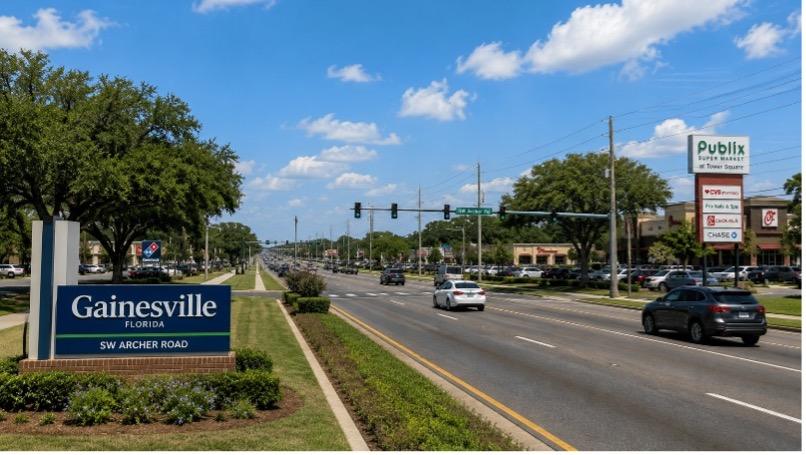
Injured in an accident on SW Archer Road in Gainesville?
If you were injured in an accident on SW Archer Road (State Road 24) in Gainesville, you’re dealing with one of…

Can You Recover Workers’ Compensation Benefits If Your Employer Is Uninsured in Florida?
Suffering a workplace injury can leave you with more questions than answers—especially if your employer doesn’t have…

Personal Injury Case Timeline | Gainesville, FL Lawyer
Every case is different, but understanding how long a personal injury case takes in Florida can help you make informed…