
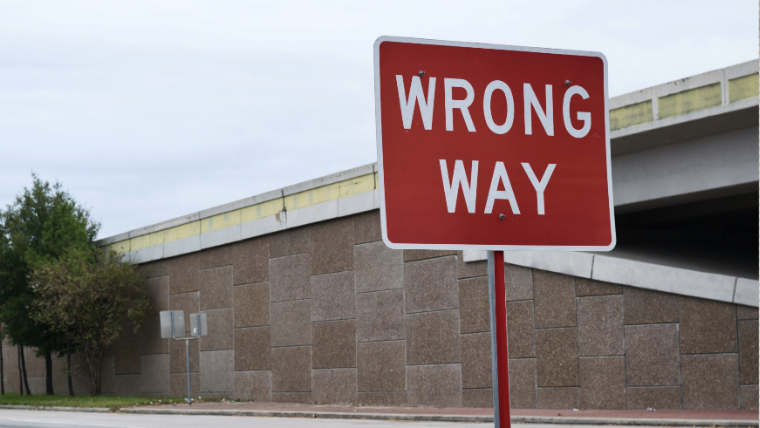
Wrong-Way Crashes in Florida: A Growing Concern
Wrong-way crashes are on the rise—and they’re some of the deadliest accidents on Florida roads. Learn what causes them, how to protect yourself, and why having the right law firm matters when tragedy strikes.
Wrong-way crashes are among the most alarming and devastating types of motor vehicle accidents. In recent years, these incidents have been on the rise across the United States—and Florida is no exception.
In June 2025, Alachua County deputies stopped a truck driver having a medical emergency who was going the wrong way on US Highway 301. In February 2025, a motorcyclist was killed in a bizarre wrong-way, hit-and-run crash on 1-295 that resulted in a three-vehicle pileup. In January 2025, one man was killed and two women were critically injured after an elderly woman traveling the wrong way on U.S. 1 caused a serious accident. In October 2024, a Jacksonville woman driving the wrong way on I-95 was killed and three children were seriously injured after her car struck another vehicle. In August 2024, a Gainesville man was killed after a man driving east in the westbound lane of Winder Highway caused a three-vehicle crash.
These tragic incidents are just a few recent examples of a growing and deeply concerning trend on Florida’s roads. In this blog, Avera & Smith breaks down what wrong-way crashes are, why they’re so dangerous, and how you can protect yourself—along with what to do if you or a loved one becomes a victim.
The scary reality of wrong-way crashes
A wrong-way crash occurs when a vehicle travels in the opposite direction of traffic flow and collides with another vehicle. These accidents most commonly happen on highways, exit ramps, and one-way streets. Because they often involve high speeds and head-on impacts, wrong-way crashes are typically catastrophic.
Top causes of wrong-way crashes
Understanding the root causes of wrong-way crashes is key to preventing them. The most common causes include:
- Impaired driving: The vast majority of wrong-way drivers are under the influence of alcohol or drugs. Impairment significantly impairs judgment, vision, and reaction time.
- Driver confusion: Unfamiliar roads, poor signage, or visibility issues can lead to drivers mistakenly entering highways via exit ramps.
- Fatigue or drowsiness: Tired drivers may be more prone to missing signs or making poor navigation decisions.
- Older drivers: Studies show a disproportionate number of wrong-way crashes involve elderly drivers who may suffer from cognitive decline or impaired vision.
- Distracted driving: Texting or being otherwise distracted can cause drivers to miss critical road cues and signs.
Why are these accidents so devastating?
Wrong-way collisions are often head-on crashes—one of the most lethal types of accidents on the road. According to the National Transportation Safety Board (NTSB), these crashes have a fatality rate far higher than other types of collisions. Survivors often suffer from severe, life-altering injuries.
Common injuries from wrong-way crashes:
- Traumatic Brain Injuries (TBI)
- Spinal cord injuries and paralysis
- Internal bleeding and organ damage
- Broken bones and multiple fractures
- Severe burns and lacerations
- Emotional trauma and PTSD
Victims of wrong-way crashes frequently face long recoveries, massive medical expenses, and permanent lifestyle changes.
How to keep yourself safe from wrong-way drivers
While not all wrong-way crashes can be avoided, you can take proactive steps to reduce your risk:
- Stay alert at night: Most wrong-way crashes occur between midnight and 6 a.m. when visibility is low and intoxicated drivers are more common.
- Drive in the right lane: Wrong-way drivers often enter from the far left lanes of highways. Staying to the right can give you a better chance of avoiding a head-on collision.
- Look ahead, not just around: Scan the road ahead as far as possible to spot any vehicles heading toward you.
- Avoid distractions: Keep your attention on the road—texting or distracted driving limits your ability to react quickly.
- Report wrong-way drivers: If you see a vehicle traveling the wrong direction, pull over safely and call 911 to alert authorities.
- Slow down at night intersections and ramps: Always double-check signs and road markings, especially in unfamiliar areas or poorly lit roads.
Defensive driving could be the difference between a near miss and a life-altering collision.
Injured in a wrong-way crash? Have you lost a loved one?
Serious accidents demand serious representation.
Call 800-654-4659 for a free case review.
Wrong-way crashes are some of the most devastating accidents on the road—and their impact can change your life in an instant. At Avera & Smith, we’ve spent over 70 years standing up for victims of serious, complex crashes just like yours. Our team includes board-certified attorneys, seasoned trial lawyers, and dedicated investigators who dig deep into every case. We don’t back down. We don’t rush to settle. And we don’t stop fighting until you get the justice and compensation you deserve.
We specialize in serious personal injury accidents and wrongful death claims in Gainesville, Ocala, Jacksonville, Lake City, The Villages, or surrounding areas. These aren’t just cases to us—they’re lives forever altered. If you’ve been seriously injured or lost a loved one in a wrong-way collision, you need a law firm with a proven record of taking on the toughest battles—and winning.
Request a free case review through our online form or call 800-654-4659 to speak with one of our attorneys.