
What to Do if You Are Injured While Renting Property in Florida
Injured while renting property in Florida? This article breaks down your legal rights, what your landlord is responsible for, and how to protect yourself after an accident. Read now to find out if you have a case—and what to do next.
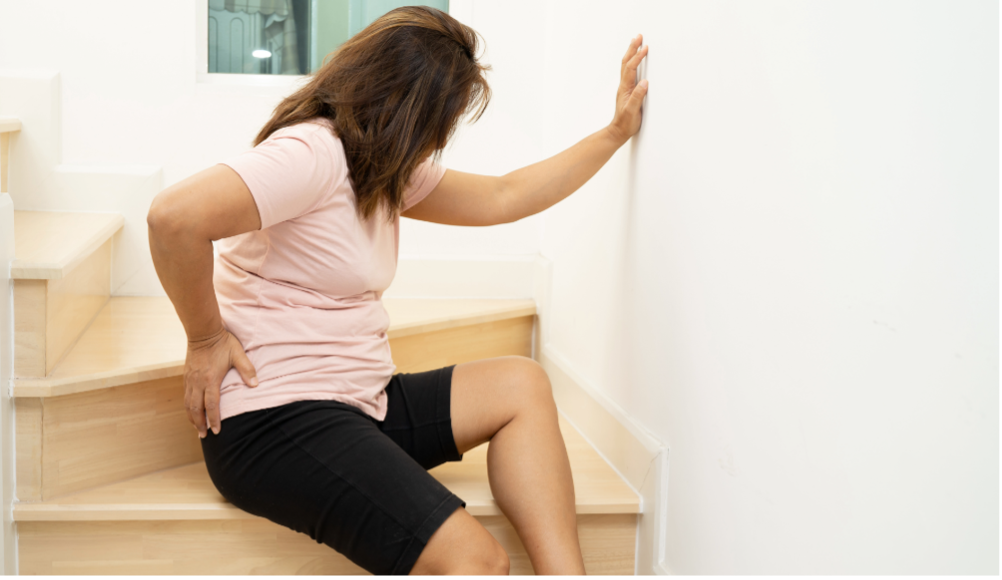
Imagine this: You’ve just moved into a new rental property in Gainesville, Florida. It’s a bit older, but the landlord assures you everything is in good shape. A few days later, while carrying groceries up the back stairs, one of the steps gives way beneath you. You fall hard, breaking your arm and injuring your back. What you expected to be a fresh start quickly turns into a painful ordeal—doctor visits, time off work, and growing questions about who’s responsible.
This is an example, but situations like this happen more often than you’d think. If you’re injured while renting a property in Florida, it’s important to understand your rights. At Avera & Smith, we’re here to help you navigate these challenging situations with clarity and confidence. In this blog, our premises liability attorneys explain what to do if you’re injured while renting a property in Florida, including your legal rights, landlord obligations, types of qualifying injuries, and how an experienced premises liability attorney can help.
What is premises liability?
Premises liability is a legal concept that holds property owners—or those responsible for managing property—accountable when someone is injured due to a dangerous or defective condition on the premises. In Florida, landlords owe a duty of care to tenants and lawful visitors to maintain their property in a reasonably safe condition.
Florida law classifies people on a property into three categories:
- Invitees: Tenants and their guests who are there legally with the landlord’s consent.
- Licensees: People on the property for their own purposes but with the owner’s permission (like a friend dropping by).
- Trespassers: Those on the property without permission, to whom the landlord owes the least duty.
In rental scenarios, tenants and their guests are typically invitees, meaning landlords have a heightened duty to keep the premises safe for them.
Common injuries that may fall under premises liability
Not all injuries qualify for a premises liability claim. To succeed, there must be evidence that the injury resulted from the landlord’s negligence or failure to maintain the property. Common examples include:
- Slip and falls on wet or uneven flooring, loose tiles, or broken stairs
- Trip hazards, such as torn carpets or exposed wiring
- Faulty railings or balconies that give way
- Inadequate lighting in stairwells or walkways
- Electrical injuries due to exposed or faulty wiring
- Injuries from collapsing ceilings or walls
- Mold exposure or carbon monoxide poisoning due to poor maintenance
- Dog bites (if the animal is known to the landlord and no precautions were taken)
Each of these injuries could become the basis for a premises liability claim if the landlord failed to correct a known hazard—or should have known about it and didn’t act.
What are a landlord’s legal responsibilities in Florida?
Under Florida Statutes § 83.51, landlords have clear responsibilities:
- Maintain the structure and ensure it complies with building, housing, and health codes.
- Keep common areas safe and clean.
- Ensure that key structural elements like roofs, stairs, and flooring are in good condition.
- Provide adequate lighting, plumbing, and other essential utilities.
Landlords also have a duty to warn tenants of known dangers that may not be immediately obvious.
When a landlord breaches duty of care
If a landlord fails to fulfill these duties and someone gets hurt, they can be held liable. To prove a landlord breached their duty, the injured person (or their attorney) must show:
- The landlord had control over the area where the injury occurred.
- The landlord knew—or should have known— about the hazardous condition.
- They failed to repair, warn, or reasonably act to prevent injury.
- The tenant or guest was injured as a result of that negligence.
Importantly, Florida follows a comparative negligence system, meaning if the injured person was partially at fault (e.g., ignoring a clear warning), their compensation may be reduced by their percentage of fault.
What to do if you are injured on a rental property in Florida?
If you’ve been injured, your actions in the immediate aftermath can significantly impact your case:
- Seek medical care immediately – Even if injuries seem minor, having a medical record is crucial.
- Document the scene – Take photos of the hazard and your injuries. Note weather conditions or any other relevant details.
- Report the injury – Notify the landlord in writing and keep a copy for your records.
- Gather witnesses – Get names and contact information of anyone who saw the incident or knows of the hazardous condition.
- Avoid giving statements to the landlord’s insurance company before speaking to an attorney.
- Contact a premises liability attorney – The sooner you involve legal counsel, the better your chances of protecting your rights and maximizing compensation.
Why you need an experienced premises liability attorney
Premises liability cases—especially those involving landlords—are rarely straightforward. Proving negligence often requires:
At Avera & Smith, we bring decades of experience in complex injury litigation and a team that includes board-certified trial attorneys, a distinction earned by fewer than 7% of lawyers in Florida. That means your case is backed by proven expertise and courtroom strength. We understand the tactics landlords and their insurers use to deny or minimize claims—and we know how to counter them.
Injured while renting? We’re here to help!
Call 800-654-4659 for a free case review
If you or a loved one has been injured on a rental property in Gainesville, Ocala, Jacksonville, Lake City, The Villages, or surrounding areas, don’t try to navigate the legal and insurance process alone. Premises liability cases are complex—and landlords and their insurance companies are often quick to deny responsibility or downplay your injuries.
At Avera & Smith, we’ve been standing up for injured Floridians for decades. Our team includes board-certified trial attorneys, meaning you’ll have true legal experts in your corner—professionals recognized for their experience, ethics, and courtroom skill.
When you call us, we’ll:
- Evaluate your case thoroughly and for free.
- Investigate the landlord’s responsibility, including safety violations or failure to maintain the property.
- Preserve critical evidence, such as inspection records, witness statements, and medical documentation.
- Protect you from insurance company tactics designed to minimize your claim.
- Pursue the full compensation you deserve, including medical expenses, lost wages, pain and suffering, and more.
Most importantly, we’ll take the pressure off you so you can focus on healing—while we focus on holding the responsible party accountable. Don’t wait. Time limits apply in personal injury cases, and the sooner you act, the stronger your case may be.
Request a free case review through our online form or call 800-654-4659 to speak with one of our attorneys.