
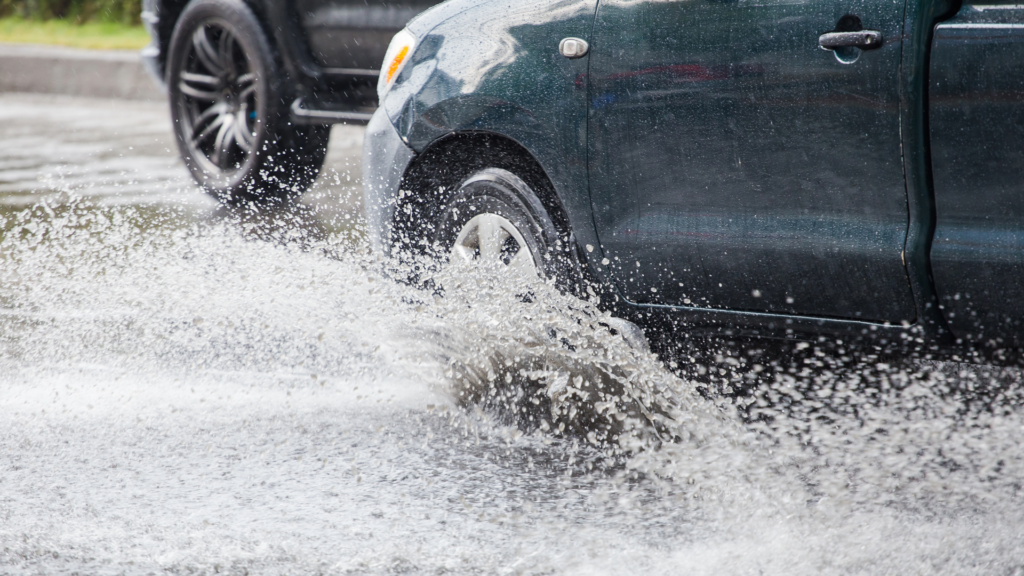
Hydroplaning Accident in Florida: Who Is at Fault?
A hydroplaning accident in Florida can happen in seconds during sudden summer storms, but determining fault is not always as straightforward as blaming bad weather. Learn what causes hydroplaning crashes, who may be liable, and what to do if you’ve been injured in our latest blog.
Florida summers bring sunshine, vacations, and road trips—but they also bring sudden storms, heavy rainfall, and dangerous driving conditions. During Florida’s rainy season, afternoon downpours and fast-moving thunderstorms can appear with little warning, quickly turning highways and local roads slick and hazardous.
One of the biggest dangers drivers face during summer rainstorms is hydroplaning, a frightening situation where a vehicle loses traction after tires ride on top of standing water instead of gripping the road surface. Hydroplaning can cause drivers to lose steering and braking control in seconds, often leading to serious crashes.
When a hydroplaning accident happens, many people assume bad weather alone is to blame. But determining fault is not always straightforward. In some cases, another driver’s speed, poor decisions, or failure to adjust to road conditions may contribute to a collision.
Below, the accident attorneys at Avera & Smith explain what causes hydroplaning accidents, what to do if your vehicle begins hydroplaning, and how fault is determined after a Florida crash.
What is hydroplaning?
Hydroplaning occurs when water builds between a vehicle’s tires and the roadway, causing tires to lose contact with the pavement. When this happens, drivers may temporarily lose control of steering, braking, and acceleration.
Hydroplaning is more likely to happen when:
- Roads are covered with standing water
- Drivers are traveling too fast for wet conditions
- Tires are worn or improperly inflated
- Sudden summer storms reduce visibility and traction
In Florida, hydroplaning accidents become more common during the summer rainy season because storms can quickly flood roads and reduce reaction time for drivers.
What should you do if your car starts hydroplaning?
Hydroplaning can feel terrifying, but how you react matters. If your vehicle begins hydroplaning, here are tips to safely navigate this situation.
Stay calm and avoid slamming the brakes
Many drivers instinctively hit the brakes, but sudden braking can worsen loss of control and increase the chance of skidding. Instead, ease off the accelerator and allow the vehicle to slow gradually.
Keep the steering wheel steady
Try to maintain control by steering gently in the direction you want the vehicle to go. Avoid jerking the wheel or making sudden corrections.
Avoid sudden movements
Quick braking, hard acceleration, or sharp steering can make a hydroplaning event more dangerous. Smooth, controlled movements are usually safest.
Wait for tires to regain contact
As the tires reconnect with the road surface, steering control should gradually return. Once control is restored, reduce speed and pull over if conditions feel unsafe.
Slow down during Florida rainstorms
The best prevention is caution. Hydroplaning risk increases at higher speeds, particularly during sudden downpours common in Florida summers. Reducing speed, increasing following distance, and replacing worn tires can help reduce risk.
Who is at fault in a Florida hydroplaning accident?
One of the biggest misconceptions about hydroplaning accidents is that bad weather automatically excuses liability.
Rain itself does not necessarily make a crash “no one’s fault.” Drivers are expected to operate their vehicles safely for road and weather conditions. That means motorists have a duty to slow down, maintain control, and drive responsibly during storms.
Depending on the facts, fault may fall on:
A driver traveling too fast for conditions
Even if a driver is within the posted speed limit, they may still be negligent if they are driving too fast for wet roads. A driver who hydroplanes because they failed to reduce speed during heavy rain may be held responsible for resulting injuries or property damage.
Distracted or reckless drivers
Hydroplaning accidents may involve additional negligence such as:
- Distracted driving
- Tailgating
- Unsafe lane changes
- Aggressive driving in poor weather
- Failure to maintain a safe following distance
Multiple drivers
In some crashes, fault may be shared between drivers. For example, one driver may hydroplane after speeding through standing water while another driver was following too closely or driving distracted.
How does comparative negligence work in Florida?
Florida follows a comparative negligence system, meaning fault can be shared between parties. This means an injured person may still recover compensation even if they were partially responsible for the crash, although their compensation may be reduced based on their percentage of fault.
For example: If a driver is found to be 20% responsible for a hydroplaning accident and another driver is 80% at fault, compensation may be reduced proportionally. Insurance companies frequently argue comparative negligence to reduce payouts after weather-related crashes, which is one reason these cases can become complicated.
Why having an attorney matters after a hydroplaning accident
Hydroplaning accident cases are rarely as simple as “it was raining.” Insurance companies may try to blame weather conditions, shift fault to injured victims, or argue that a crash was unavoidable, even when another driver failed to adjust for dangerous road conditions.
An experienced accident attorney can investigate the circumstances of the crash, review police reports, analyze roadway and weather conditions, gather evidence, negotiate with insurers, and help determine whether negligence played a role.
Injured in a hydroplaning accident in Florida?
Call 800-654-4659 for a free, no-obligation case review.
If you were injured in a hydroplaning accident in Florida, you do not have to navigate the aftermath alone. Determining fault in wet-weather crashes can be complex, especially when insurance companies try to manipulate responsibility.
The sooner you act, the better. Early legal guidance can make a significant difference in the outcome of your case.
If you were involved in an accident in Gainesville, Ocala, Jacksonville, Lake City, The Villages, or surrounding areas, request a free consultation through our online form or call 800-654-4659 to speak with one of our attorneys.Top of FormBottom of Form